How to Fly in Harp Isles
The recoded flight model — and how not to bury a juvenile in a dive.
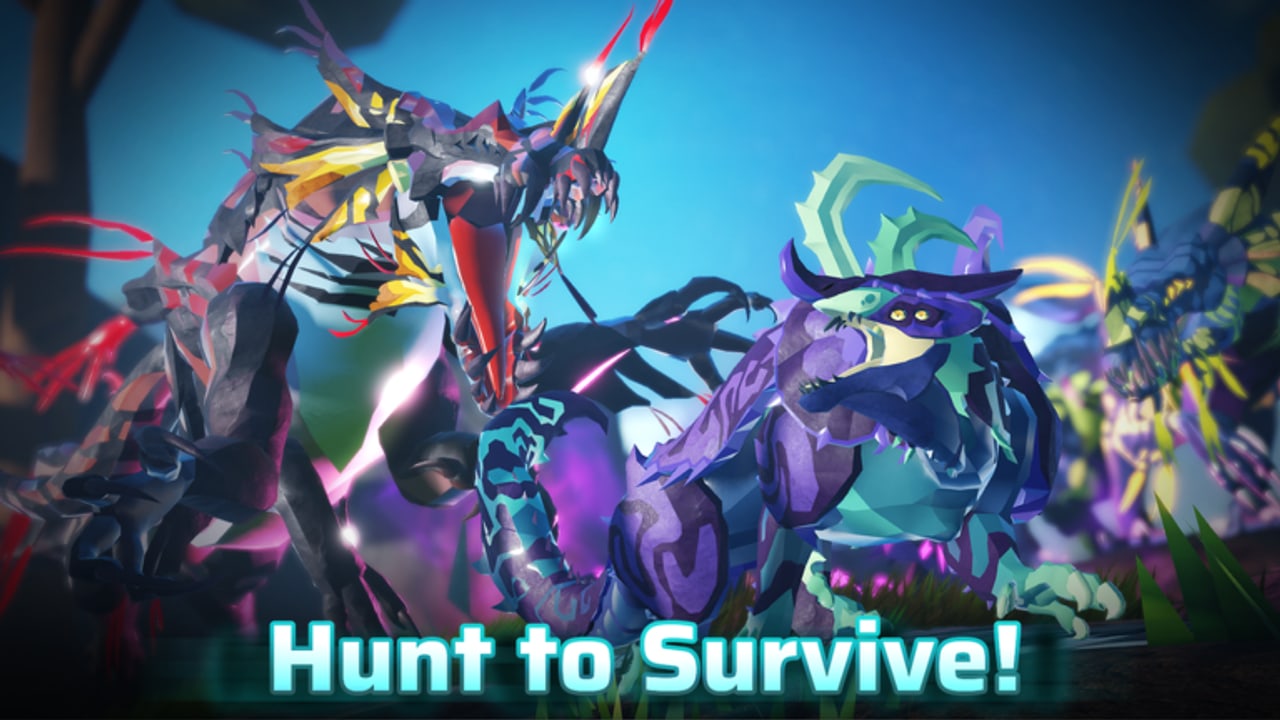
Flight is the headline difference between Harp Isles and a ground-only survival sim. The recode threw out the old, nauseating model and exposed real knobs: max flight speed, max dive speed, turn radius, flight torque, and brake speed. No two Avatars — and no two subspecies — have to share a feeling. This page is how to take off, turn, dive, and land without wasting a revive.
If you have not finished Getting Started or controls, do those first. Flight is a multiplier on bad habits.
Takeoff
Gain a run, pitch up, and let torque do the work. Babies may not fly; the FAQ made that per species. If your juvenile has no takeoff, treat trees and cliffs as scenery, not runways. Grow first — how to grow.
On mobile, takeoff is easy to mash into a stall. Hold the flight button through the first second of climb, then ease off. Console players should dead-zone their stick; tiny twitch inputs plus high torque equal a spin.
Cruise versus sprint
Max flight speed is your cruise cap, not a suggestion. Sprinting in the air (if your kit has a stamina burst) is for leaving a fight or a disaster, not for crossing the whole map. Bird NPC swarms path through porous caves with better local turns than a wide-radius apex. If a flock is on you, look for a tunnel your turn radius can actually take.
Turns and caves
Turn radius is why a “fast” Avatar still dies in terrain. Tight kits thread the map pins and the cave networks shown in previews. Wide kits belong in open sky and ocean crossings. Subspecies can fork this: the Two-Jactal example in the flight showcase existed specifically to prove builds can disagree.
Practice figure-eights over water so a failed turn is a splash, not a rock. Brake speed is the stat that saves you when you overshoot a nest ledge.
Dives
Max dive speed is a weapon and a suicide pact. Use dives to pin prey or to drop into a hidy-hole. Do not hold dive from cloud height on a body with poor brakes. Fall damage exists (FAQ). Water is a safer abort than dirt, unless sharks are in the soup.
A dive into a player lunge is advanced play. Learn the lunge mini-game on NPCs first.
Landing
Flare with brakes, match height, then cut flight. Landing on a nest you did not build can be grief. Landing in acid rain is a disaster problem, not a flight problem — leave the biome instead of showing off.
How subspecies change the air
Health forks often feel heavier (worse torque, safer mistakes). Damage forks may keep cruise but punish stalls. Speed forks win chases and lose caves. Rank them on the subspecies list and the subspecies biology page, not on a single clip.
Motion sickness
The recode’s entire pitch was smoothness. If you still feel sick: drop graphics, lower camera speed, avoid first-person if it exists, and pick a lower torque kit. A script that “unlocks camera” is not a fix — see script safety.
Practice loop (ten minutes)
- Spawn near water using a map pin.
- Take off, cruise a square, land on the same rock three times.
- Dive to the water, abort, climb.
- Thread one cave. If you cannot, your turn radius is a ground kit today.
- Only then hunt.
When flight is boring, you are ready to spend research on mobility nodes with the research planner. Until then, the sky is optional and the ground is food.
Frequently Asked Questions
Quick answers to the most common Harp Isles questions.
Can every Avatar fly?
No. Some species and some growth stages cannot. Check the specimen menu and avatar roster.
Why is my dive killing me?
Max dive speed exceeds your brake speed. Abort over water and read the stats on your subspecies.
Does flight work on mobile?
Yes. The FAQ promised mobile and console. Sensitivity is the hard part, not permission.
Will a script make flight easier?
It will make bans easier. Learn the five stats instead. See the scripts hub.