Harp Isles Avatars
Specimens, diets, subspecies, and how the roster is built.
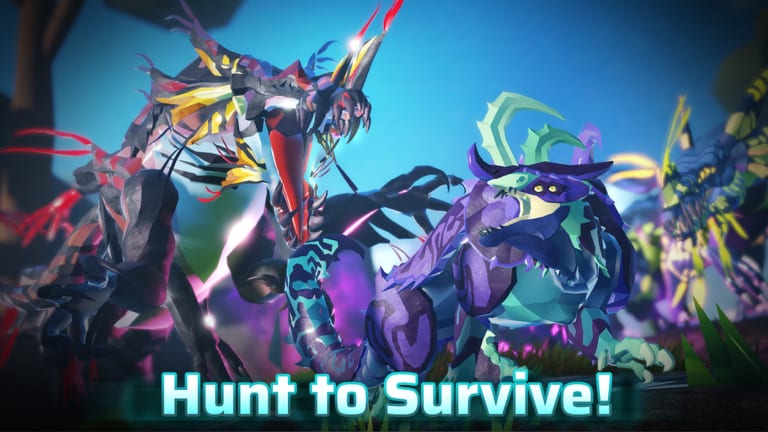
In Harp Isles, playable creatures are Avatars (also called specimens in older menus). You do not drop in as a Roblox character with a sword. You pick a DNA strand that sets diet, watch a spawn cutscene, then grow that body through hunger, thirst, combat, and a species-specific skill tree.
This hub is the roster index:
- Avatar roster — named bodies shown in tester and launch footage.
- Subspecies — health, damage, speed, and unique forks.
- Diets — carnivore, herbivore, omnivore, and why the FAQ left the door open for more.
- Mutations — vials, Invisa chips, apex talk, and when to open tester loot.
Use the tier list when you care about strength. Use this hub when you care about what the creature is.
How selection works
The menu flow shown before launch: main menu → specimen list → customization (part colors, palettes, patterns) → map pin → spawn cutscene. Customization is free to edit; saving a skin can cost shards. Palettes can also be bought with shards or Robux. None of that changes diet. Diet is the DNA strand you drag to the research port on first play — testers called out herbivore and omnivore strands on stream.
What we know is in the fantasy
Showcases named Jacktle (sometimes heard as Jackal in recaps), Cyntoli, Sentis’ Areni (asymmetrical), Alyorux / Alyo, Divum’ Turba, San’ Dahyros, and a Two-Jactal flight subspecies. Tester missions rewarded a subspecies called Bleed Santa Hiros. The 2026 FAQ promised 11 playable creatures for beta if the team did not finish extras; later recaps talked over 30 Avatars for day one. Live servers are the source of truth — if a name is not in your specimen menu, it is not out yet.
The world is an alien, Avatar-inspired archipelago with porous terrain, water, and NPC life: bird swarms that path through caves, fish and sharks, flytrap plants that apply venom, and dart plants that shoot and drop craft materials.
Growth and identity
Avatars grow. Babies may or may not fly depending on species (the FAQ answered this directly: it is per creature). Gender dimorphism is planned. Mutations exist as vials in tester rewards — details on mutations. Apex forms were described as size and stat shifts on top of subspecies. None of these replace the base diet.
If you want a practical pick, skip lore for a minute and open the starter planner. If you want to spend a subspecies item, read subspecies and the subspecies tier list together.
Trading and ownership
The FAQ said shards, specimens, and skins would be tradable in a trading hub. That makes Avatars closer to a collection game than a one-save RPG. Do not trade launch DNA for “rare” names until the trading notes catch up with live prices. Scam places in 2024 already stole the brand — never trade outside the official hub.
Related systems
Movement is not cosmetic. Flight stats are per species and per subspecies; see how to fly. Combat includes a lunge with a mini-game, multiple attacks, and abilities/effects. Packs and nests are social layers on top of the body you picked. Disasters do not care which Avatar you love — acid rain hits everyone, but fliers leave faster.
When a new event creature is announced on the roadmap, it will be added to the roster page, not buried in a patch blog.
Frequently Asked Questions
Quick answers to the most common Harp Isles questions.
What is an Avatar in Harp Isles?
The playable creature body. Older videos also say specimen. See the avatar roster.
How many Avatars are at launch?
Official FAQ said 11 for beta; later showcases claimed 30+. Check the in-game list — it is the only count that matters.
Can I change diet later?
Diet is tied to the DNA strand and species. You switch by playing a different Avatar, not by recoding one body.
Are event creatures confirmed?
The FAQ said they were likely. The event roadmap is lore-linked and may add bodies or bosses.