How to Build a Nest in Harp Isles
Placement, defense, rotation — and why your first nest is probably in the wrong place.
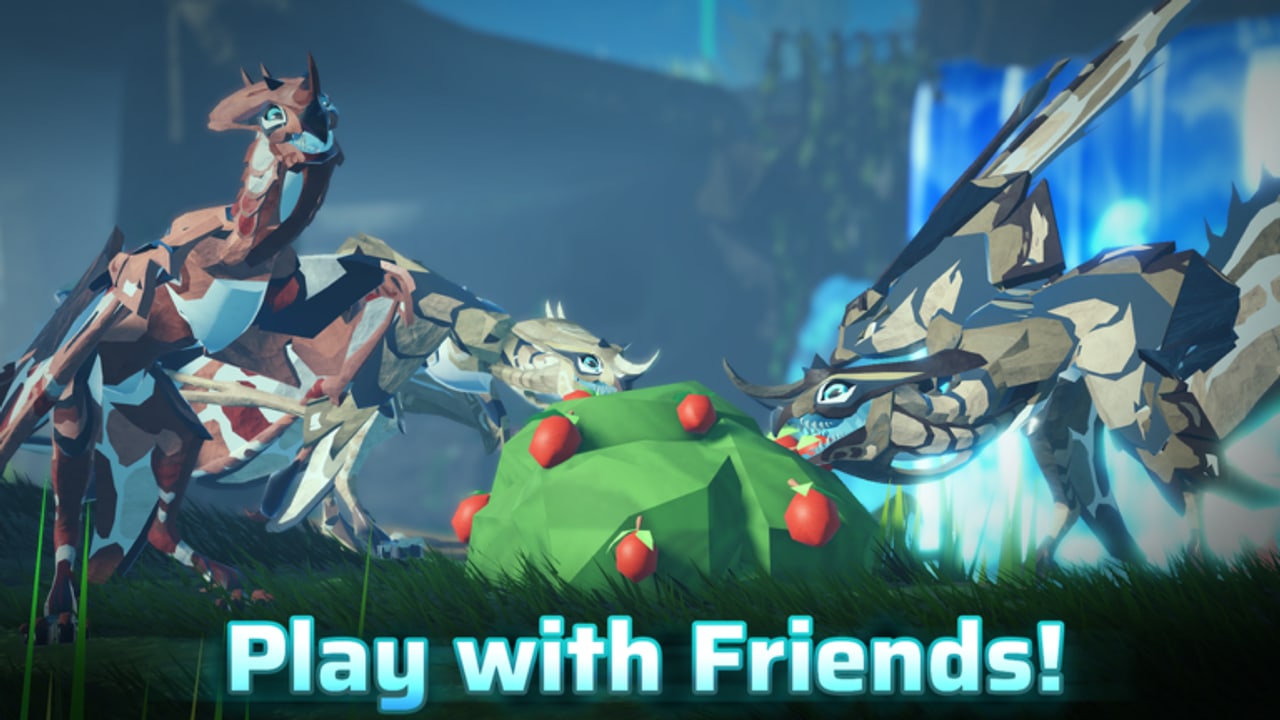
Nests are your home base in Harp Isles. Every creature can build one, and the placement decision affects every other system in the game: growth, disasters, combat, and pack coordination. This guide covers nest placement, defense principles, rotation strategy, and the mistakes that cost players their base within 24 hours of building.
What a nest does
A nest is a fixed spawn point and a storage anchor. When you log out, you return to your nest on your next session. When you die, you respawn through the menu flow — not directly at your nest. The nest is a home, not a checkpoint. Its value is in the location, not in some hidden defensive stat.
Nests also serve as a pack anchor. A coordinated group nests together so each member returns to the same general area after logging in. If your pack is scattered across the archipelago, coordination becomes a travel problem before it becomes a combat problem.
Placement principles
Water and food access
Herbivores need nearby plant nodes. Carnivores need either carcass spawn proximity or hunting ground access. Omnivores benefit from both. Before you place, walk the perimeter and count: how many food sources are within 30 seconds of the nest? If the answer is one, you have a hunger problem.
Water access matters for every diet. Thirst is a separate meter from hunger. A nest near water means both meters are addressable without a long travel.
Disaster shelter
Caves are the primary disaster shelter. A nest near a cave entrance means you can reach cover when a tornado, firenado, or meteor shower starts. A nest in open terrain means you are running when the sky turns.
Porous caves — rock formations with gaps — break line-of-sight for fliers. Solid caves are easier to defend from ground assault but offer less protection from wind disasters. For nest placement, prioritize disaster shelter first, defense second.
Flight exit
If your Avatar can fly, place the nest near a takeoff ledge. Landing and taking off from your nest should not require a long walk. For ground-only Avatars, this is less relevant — but even ground creatures benefit from a clear perimeter.
Avoid the default pins
The most crowded spawn pins on launch week are the default pins new players see. Nesting on one of these pins means your neighbors are other new players, which creates accidental PvP. The map and biomes guide covers quieter alternatives.
Nest defense
Visibility versus safety
A visible nest — on a ridge or near a spawn pin — is easy for packmates to find and easy for rivals to target. A hidden nest — in a cave or behind terrain — is safer from randoms but harder for your pack to locate.
The practical answer for most players: nest in a cave or semi-concealed position near a resource area. You get both disaster shelter and relative safety from random passersby.
Nest grief and rotation
Griefing happens. A rival nests nearby to camp you, or a pack burns your nest during a fight. The answer is rotation: have a backup location, and be willing to move. Staying in a griefed position because you like the view is how you lose a week of growth.
If you are being followed across multiple pins, you are now in a PvP situation. Use flight to break line-of-sight and change servers rather than engaging from a disadvantaged position.
Pack nest coordination
A pack should discuss nest placement before anyone builds. One player scouts a location, confirms resource access and disaster shelter, then the pack nests together. Scattered pack members mean the pack cannot respond to a threat quickly.
Assign nest roles: one player watches the entrance, one player watches the sky, one player maintains the crafting station. During a disaster, the watcher calls the shelter and the crafter finishes the current item before abandoning the oven.
Nest versus home base
A nest is personal or pack-level. It is not a fortress with walls and turrets — Harp Isles does not have base-building in the Minecraft sense. The nest is a spawn point and a social anchor. Defense comes from pack coordination, not from structural fortifications.
If you want to defend a resource node, station, or area, you do it by being present and by having packmates nearby — not by building walls.
Common nest mistakes
Nesting on a default pin
The crowded pins during launch week become a chaos of accidental PvP. If you nest on the same ridge as ten other players, you will log in to a fight.
Nesting in open terrain
No disaster shelter means every tornado, firenado, and meteor shower disrupts your session. A cave or cliff overhang is worth the slightly longer resource run.
Nesting too far from water
Thirst is a separate meter. A nest on a dry ridge means every water run is a trip away from your safe zone.
Never rotating
Your first nest is probably in the wrong place. Accept this. If the location is griefed, disaster-prone, or resource-poor, move. Do not sunk-cost a bad position.
Storing everything at the nest
Resources, files, and crafting materials at the nest make you a target. Keep enough to play; bank the excess through daily rewards or trade it before you accumulate a visible stash.
Nest rotation strategy
Event-based rotation
During Ashes Awakening on 10 September 2026, expect new zones and new threats. If the event adds a dragon-style boss, nesting in a fire-adjacent area is risky. Rotate to safer positions during major events.
Seasonal rotation
The events calendar shows Nuclear Winter on 18 December 2026. Cold biomes will affect nest conditions. Plan for seasonal adjustments rather than treating your launch-week nest as permanent.
Building with your pack
- Scout three potential locations together.
- Check food access, water proximity, and disaster shelter at each.
- Vote and place the first nest.
- Assign roles: watcher, crafter, scout.
- Set a pack rule for when to rotate.
A pack that nests together survives together. A pack that nests randomly is four solo players sharing a name.
Frequently Asked Questions
Quick answers to the most common Harp Isles questions.
Can I have multiple nests?
The UI supports one active nest per Avatar. You can abandon the current nest and place a new one.
Can other players destroy my nest?
Nests can be damaged or burned by rivals. Rotation is the defense — have a backup location ready.
Do nests affect growth speed?
No. Nesting near resources means less travel time, which is an indirect growth benefit — not a direct stat boost.
Can I share my nest location with strangers?
No. Sharing nest coordinates with strangers invites grief. Keep your location within your pack only.
What happens to my nest during a disaster?
The nest remains but the area may become dangerous. Disasters do not destroy nests; they make the area around them lethal.