Harp Isles Growth Stages
Baby, teen, adult — and why every stage gates something important.
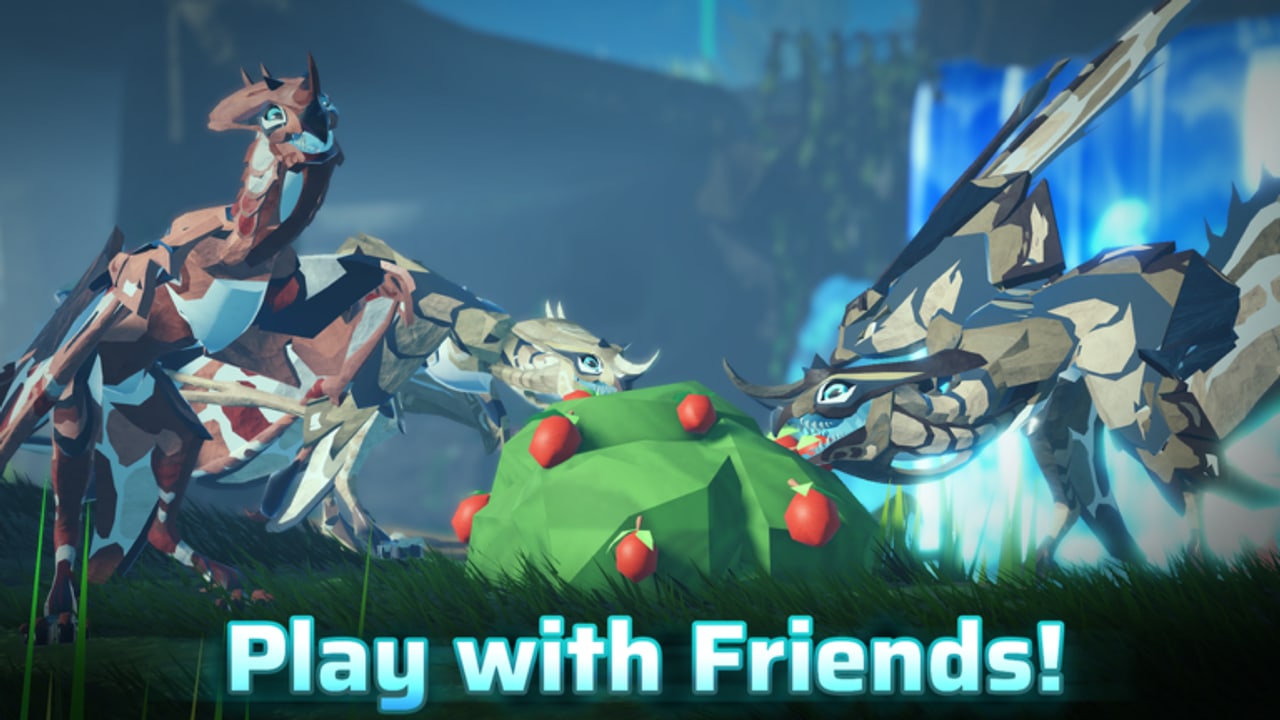
Harp Isles uses a growth-stage system. Your Avatar starts as a baby and progresses through teen to adult. Each stage gates access to certain abilities, flight for some species, and stat increases that change how you play. Understanding the stage gates before you commit to a growth plan prevents frustration — a speed subspecies that feels fine as a baby can become a food furnace as an adult.
The three stages
Baby
You start as a baby. This stage is a tutorial for hunger and thirst — the meters are forgiving and the food requirements are manageable. Baby is also when you learn movement: ground, swim, and for some species, flight.
Babies cannot fight adults. If an adult player targets you, running is the only option. Accept this.
During baby stage, prioritize:
- Learning controls without pressure.
- Filling food and water without contested resource nodes.
- Completing one skill tree node if you have a research file and a safe spot.
- Not engaging in PvP.
Teen
Teen is the transition stage. Stats begin scaling toward adult values. Hunger and thirst requirements increase. For species that cannot fly as babies, teen is often when flight unlocks — but this is per-species, not universal.
Teen is when growth starts to feel like a grind. You have enough stats to attempt more, but not enough to survive careless decisions.
During teen stage, prioritize:
- Establishing a reliable food and water route.
- Applying a subspecies fork if you have one.
- Building toward adult with consistent daily rewards.
- Learning which disasters you can outrun and which require hiding.
Adult
Adult is the goal state. Your stats are at maximum for your current subspecies. You can use full skill tree capabilities, engage in meaningful PvP, and participate in lore events like Ashes Awakening.
Adult is when the game opens up: packs matter more, nest defense becomes relevant.
Once adult, your priorities shift:
- Maintaining growth rather than chasing it.
- Engaging in pack coordination and events.
- Using crafting for optimization rather than survival.
Stat scaling by stage
Health and defense
Health increases with each stage. Baby health is low; adult health reflects your subspecies fork.
Hunger and thirst
Both meters scale with growth. A speed subspecies at adult has higher hunger than the same species with a health fork.
Flight
For some species, flight is gated to teen or adult. For others, flight is available from baby.
Combat stats
Damage and attack speed increase with stage.
Growth and subspecies interaction
The subspecies fork decision is critical. Applying a speed fork at baby creates a hunger multiplier that compounds through teen into adult.
The safe pattern: grow default to adult, then apply a subspecies fork.
Growth speed factors
Diet
Herbivores grow steadily if they have consistent plant node access. Carnivores grow fast when hunting is successful but slowly when prey is contested. Omnivores balance both.
Subspecies fork
Speed forks grow fast but eat more. Health forks grow slower but require less food.
Daily rewards
Consistent daily rewards provide DNA and resources that accelerate growth.
Stage-specific disaster survival
Baby survival
Babies have limited disaster options. Hiding in caves is the primary strategy.
Teen survival
Teens have more options but still lack full adult capabilities.
Adult survival
Adults can outrun most disasters with flight. The primary risk is carelessness.
Event readiness
Ashes Awakening (10 September 2026)
The Great Dragon event requires adult-level capabilities. Grow to adult before the event if you want to participate meaningfully.
Later events
The events calendar shows Ghouls Rising (23 October), Primal Roots (20 November), Nuclear Winter (18 December), Jurassic Jaws (16 January 2027), and Love and Regeneration (20 February 2027).
Frequently Asked Questions
Quick answers to the most common Harp Isles questions.
Can I change subspecies mid-growth?
Yes, if the UI allows it. Monitor hunger closely after applying a fork mid-growth — the hunger multiplier compounds through later stages.
Do all species fly at baby?
No. Flight availability at baby is per-species. Check the specimen menu for your Avatar.
How long does growth take?
Growth time depends on diet, subspecies fork, and daily reward consistency. Plan for a dedicated week per growth stage.
Should I grow as a carnivore?
Only if you enjoy hunting and can consistently find prey. Carnivore growth is faster when successful and slower when prey is contested.
What happens if I die as a baby?
You respawn through the menu flow and return to a nest or pin. Revives from daily rewards skip the corpse run but not the growth meters.