Harp Isles Map & Biomes
The alien archipelago — where to spawn, where to hide, and where not to land.
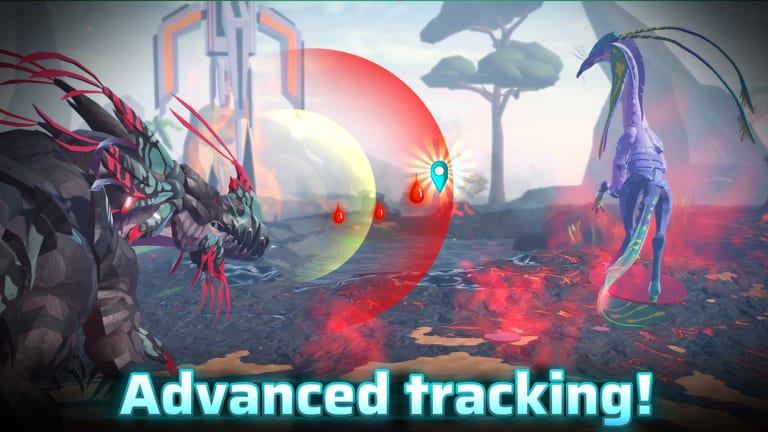
Harp Isles takes place on an alien archipelago — a chain of floating islands with distinct biomes, each with its own food types, hazards, and tactical value. The map is large enough that running back for one dart plant is how adults find you. This guide covers spawn pins, biome types, resource distribution, and navigation basics so you know where to land and where to avoid.
The archipelago layout
Early-access footage and launcher descriptions paint the world as a cluster of islands rather than one solid landmass. Islands vary in size: some hold a single crafting station and a fruit pile; others host multiple biomes and dozens of players. The map picker at spawn lets you choose a pin — use it. Landing on a crowded beginner ridge with four carnivores and no plant nodes is a choice, not bad luck.
Spawn pins are the closest thing to a fast-travel system at launch. Once you are live, you return to the menu to change pins. There is no in-world teleport. Pick a pin with water access, food your diet can eat, and cover from disasters. A pin near a crafting station is a bonus, not a requirement — stations are worth walking to, not worth spawning on top of if the biome is wrong.
Biome types
Forest islands
The most common biome. Fruit piles, plant nodes, and dart plants concentrate here. Herbivores and omnivores thrive; carnivores can hunt NPC birds but will compete with each other on carcass spawns. Forest also means birds — swarm pathing through caves was one of the recode improvements. If you hear wing noise in a cave, a swarm may be passing through.
Forest is the default spawn for a reason: it feeds three diets. It also concentrates players. If you want quiet, pick a smaller island or a pin near water.
Caves and rocky terrain
Caves serve two purposes: disaster shelter and nest placement. During tornadoes, firenados, and earthquakes, cave entrances become crowded. Porous caves — rock formations with gaps — are the best shelter because they block line-of-sight for fliers while breaking up wind. Solid caves are better for nests because they are easier to defend.
Cave floors often hold crafting stations or resource nodes. Running a cave for a station during clear weather is fine. Running a cave during a disaster is how you get pinned between a funnel and a rival.
Water and coastal areas
Water surrounds the islands. Swimming speed and dive depth vary by Avatar and subspecies. Some creatures handle water well; others treat it as a wall. Check your stamina bar before you treat the ocean as a highway.
Coastal pins offer fish for carnivores and omnivores, and safety exits for fliers under pursuit. Sharks exist in deeper water — they are not a free food source. If you hear circling audio near a coastal pin, assume sharks until you confirm otherwise.
Flood disasters raise water levels. Players who spawn on low coastal pins during a flood watch their food nodes submerge. Have a high pin ready as a failover.
Open sky and high altitude
Fliers have access to sky islands and floating rock formations that ground creatures cannot reach. These are scouting positions and escape routes, not farming zones. High-altitude islands may hold resource nodes, but landing there without a flight abort plan means walking back down.
Wind disasters (tornadoes, firenados) are most dangerous at high altitude. If you are a dedicated flier, memorize the porous caves on high islands before you treat the sky as safe terrain.
Volcanic and ash zones
Tester footage and the Ashes Awakening event on 10 September 2026 suggest volcanic or fire-adjacent areas exist on the map. These zones likely host fire-resistant creatures or special resource nodes. The events page will update when volcanic zones are confirmed in the live UI.
During the Ashes Awakening event, expect fire disasters, lava-themed hazards, and potential new spawn pins in affected areas.
Resource distribution
Food nodes
Plant nodes and fruit piles concentrate in forest biomes. Carcass spawns appear near hunting grounds — watch where NPCs and players die. Fish spawn near water and coastal areas. Dart plants appear in semi-open terrain, often near station locations.
Crafting stations
Stations appear in fixed locations across the map. They are not hidden — if you spawn near one, you will see it. Stations are worth walking to rather than spawning on top of, because a good pin with a bad biome is worse than a decent pin with the right food.
Research file spawns
Files appear in the world as pickups. They are not tied to a specific biome. Files on the ground despawn in high-traffic areas. If you are farming files, pick a quieter island and check the same nodes repeatedly.
Navigation tips
Using the map picker
The map picker shows pins you have visited and public spawn options. You cannot see player density from the picker — that requires being in-game. If a pin looks empty but feels crowded, check during off-peak hours rather than assuming the map is wrong.
Crossing between islands
Flight is the fastest crossing method. Swimming works for water-capable Avatars but is slower and exposes you to sharks. Ground-only creatures may need to find bridge-like terrain or accept longer travel times.
Avoiding crowded areas
The launch week clustering problem: everyone spawns on the same pins. If you want quiet, pick a smaller island or a pin marked near water. Smaller islands have fewer resources but also fewer rivals.
Map updates after events
When Ashes Awakening arrives on 10 September 2026, new zones may open or existing zones may change. The patch notes page will log map changes. Until then, the archipelago you see on launch is the baseline.
Key pins to remember
- Water plus forest — safest general pin for most diets.
- Cave-adjacent — if you need disaster shelter quickly.
- Station nearby — convenience for crafting runs.
- High altitude — only if you can fly; good for scouting but bad for disasters.
Do not cluster on the same pin as fifty other players. The map is bigger than the default spawn.
Frequently Asked Questions
Quick answers to the most common Harp Isles questions.
How big is the Harp Isles map?
The archipelago is large enough that crossing between major islands takes dedicated flight or swimming. Exact size in units is not published; player experience suggests significant exploration is required to learn the layout.
Can I teleport in-game?
No. You change pins through the menu map picker. There is no in-world teleport.
Are there hidden areas?
Floating islands and caves suggest vertical layering. Hidden areas may exist; community exploration after launch will map them.
Do biomes affect disaster behavior?
Yes. Caves shelter from wind disasters. Water biomes flood. High altitude is dangerous during tornadoes and firenados. Match your pin to the disaster.
Can I change spawn pin after spawning?
Yes — through the menu map picker, not through an in-game command. Dying does not automatically return you to the picker; you go through the respawn flow first.