Harp Isles Survival Guide
Hazard mitigation, predator avoidance, disaster survival — and how to evolve from prey to apex without dying in the process.
Survival in Harp Isles is a full-time job. Hunger, thirst, predators, disasters, and other players all want to end your session. This guide covers the survival systems that keep you alive long enough to reach adult and participate in events.
Core survival meters
Hunger
Hunger depletes over time. The rate depends on your diet, subspecies fork, and growth stage. Herbivores deplete hunger on plants; carnivores deplete it on meat; omnivores can use both.
Starvation does not kill instantly — hunger drops your health regeneration, then your health. If you are hungry and take damage, you die faster.
Thirst
Thirst depletes faster than hunger. Water access is critical. Spawn near water. Know where the nearest water source is on every island you visit.
Health
Health regenerates slowly when hunger and thirst are full. Any wound slows it further. Death occurs when health reaches zero.
Predator awareness
Recognizing threats
Not every creature is a threat. Learn to read behavior:
- NPCs patrol known routes — learn the patterns
- Player carnivores show different movement patterns than herbivores
- Fliers circling at altitude are likely scouts
- Ground creatures moving toward your area are likely hunting
Evasion versus confrontation
You have three options when you see a threat: run, hide, or fight.
Run is always valid. Flight is the fastest escape. Swimming can break line of sight. Ground-only creatures have fewer escape options.
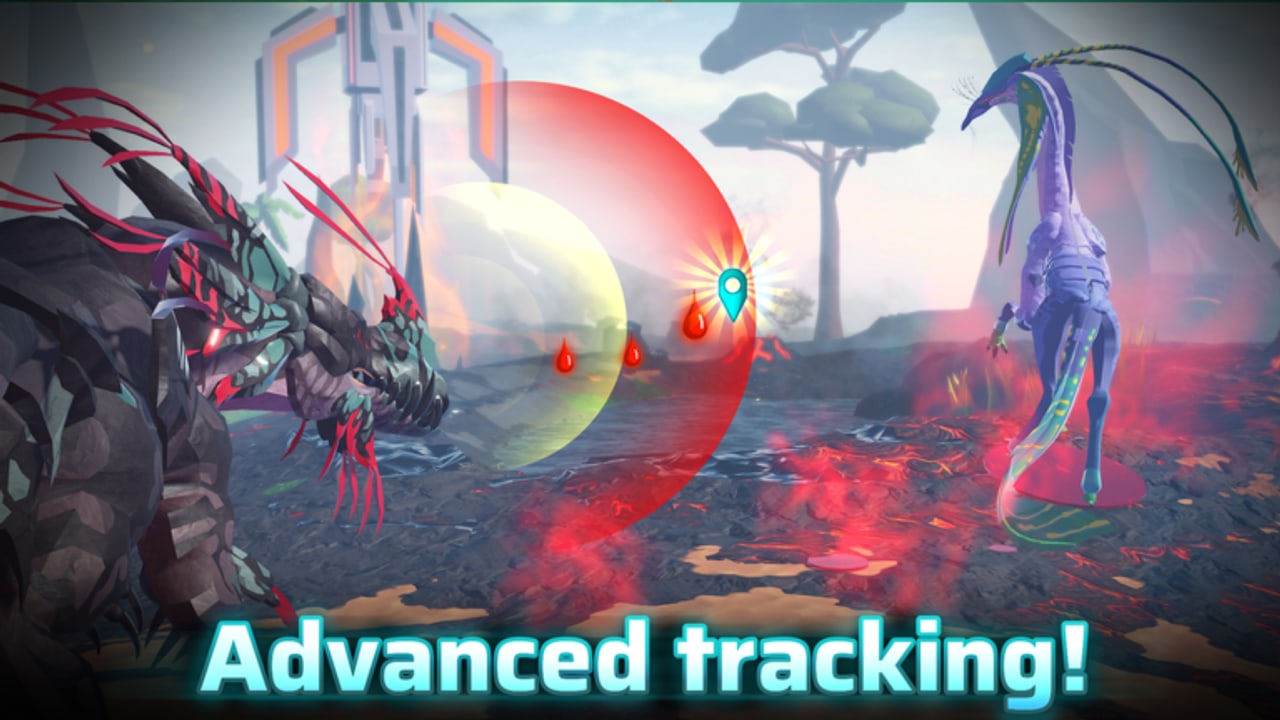
Hide in caves during disasters. Dense vegetation hides baby and teen creatures. The tracking HUD shows nearby creatures — use it before you assume you are alone.
Fight only when you have a clear advantage: full health, adult stage, known creature type, and terrain that favors you. Adult carnivores can fight; babies cannot.
Disaster survival
Tornadoes and firenados
Wind disasters pick up ground creatures and push them. In open terrain, you will be carried. In caves, you are sheltered.
Flyers at high altitude are at maximum risk. Get down before the wind picks up.
Meteor showers
Meteors fall in patterns. Watch where the first meteor lands — subsequent impacts follow a similar area. Move perpendicular to the pattern to escape.
Cave shelter works but caves get crowded during meteor events.
Floods
Floods raise water levels. Low pins and coastal spawns are at risk. If water starts rising, move to higher ground.
Fish and water-capable creatures have an advantage during floods.
Earthquakes
Earthquakes crack terrain. Falling rocks damage creatures in open areas. Caves are shelter but can collapse — porous caves are safer than solid caves.
Acid rain
Acid rain damages creatures in open terrain. Find shelter under trees, in caves, or under overhangs. Flight does not help — the rain falls from above.
Growth-stage survival
Baby survival
Babies have low health and cannot fight adults. Running and hiding are your only options.
Stay in dense vegetation. Avoid open terrain. Do not engage in PvP. Learn the map from hiding.
Teen survival
Teens have moderate health and may have flight access. You can attempt evasion or short confrontations.
Establish safe routes between food and water. Know your escape paths before you need them.
Adult survival
Adults have full health and full capabilities. You can fight, flee, or hide depending on the situation.
Adult survival is about risk management — choosing fights you can win, avoiding unnecessary confrontations, and maintaining your meters.
Pack survival
Safety in numbers
Packs provide safety through numbers. A predator targeting a pack must deal with multiple creatures. Solo creatures are easier prey.
Pack communication
Voice chat or quick text calls let packs coordinate. Call threats, coordinate movement, and warn of disasters.
Nest survival
Nests are shelter but also targets. Defending a nest requires staying near it — which limits your escape options. Consider whether a nest is worth defending or whether you should relocate.
Event survival
Ashes Awakening (10 September 2026)
The Great Dragon event on 10 September 2026 is the first major survival test. Fire disasters, dragon presence, and coordinated pack encounters are all likely.
Prepare: be adult, have a pack, bank revives, and review the four new species arriving with the event.
Surviving event chaos
Events concentrate players in specific zones. This means more predators, more competition, and more chaos.
Your options:
- Participate fully with a coordinated pack
- Farm quiet biomes while others are distracted
- Avoid the event zones entirely
Post-event survival
After events, server activity surges. More players means more potential threats. Maintain awareness.
Apex evolution
What makes an apex
An apex creature is one that sits at the top of the food chain. In Harp Isles, this means:
- Adult stage with full stats
- Appropriate subspecies fork for your role
- Skill tree investments that match your playstyle
- Pack affiliation for coordinated strength
Evolving to apex
You do not choose apex — you earn it. Reach adult, establish a diet, build your skill tree, and participate in events. The tier list reflects current consensus on which builds perform best.
Staying apex
Apex status is not permanent. A bad decision, a hungry moment, or a disaster in open terrain can end your session. Stay alert. Maintain your meters. Choose your fights.
Survival loadout
Essential habits
- Check meters before every flight or fight
- Know the nearest water source on every island
- Maintain a cave route for disaster survival
- Bank revives from daily rewards
Growth-stage adjustments
- Baby: stay hidden, avoid all confrontation
- Teen: establish routes, consider flight capabilities
- Adult: balanced awareness, selective confrontation
Quick reference
| Threat | Response |
|---|---|
| Adult carnivore | Flee or hide |
| NPC swarm | Flee to cave or fly above |
| Tornado | Enter cave or land low |
| Meteor shower | Move perpendicular to pattern |
| Flood | Move to high ground |
| Earthquake | Enter porous cave |
| Acid rain | Enter shelter |
| Dragon event | Coordinated pack, flight abort ready |
Frequently Asked Questions
Quick answers to the most common Harp Isles questions.
How do I survive as a baby in Harp Isles?
Stay hidden in dense vegetation, avoid open terrain, and never engage adult players. Running and hiding are your only options.
What is the biggest survival mistake in Harp Isles?
Letting hunger or thirst reach zero before finding food or water. Check your meters constantly.
How do I survive disasters?
Caves shelter from wind disasters. High ground avoids floods. Move perpendicular to meteor patterns. Porous caves are safest during earthquakes.
What do I need for Ashes Awakening survival?
Be adult, have a voice-enabled pack, bank revives from daily rewards, and have a flight abort plan.
How do I become an apex creature?
Reach adult stage, establish a strong build, participate in pack coordination, and master your survival routes. Apex is earned, not chosen.