Jurassic Jaws — Harp Isles
Massive shockwaves reveal ancient fossils on January 16, 2027. DNA still looks preserved.
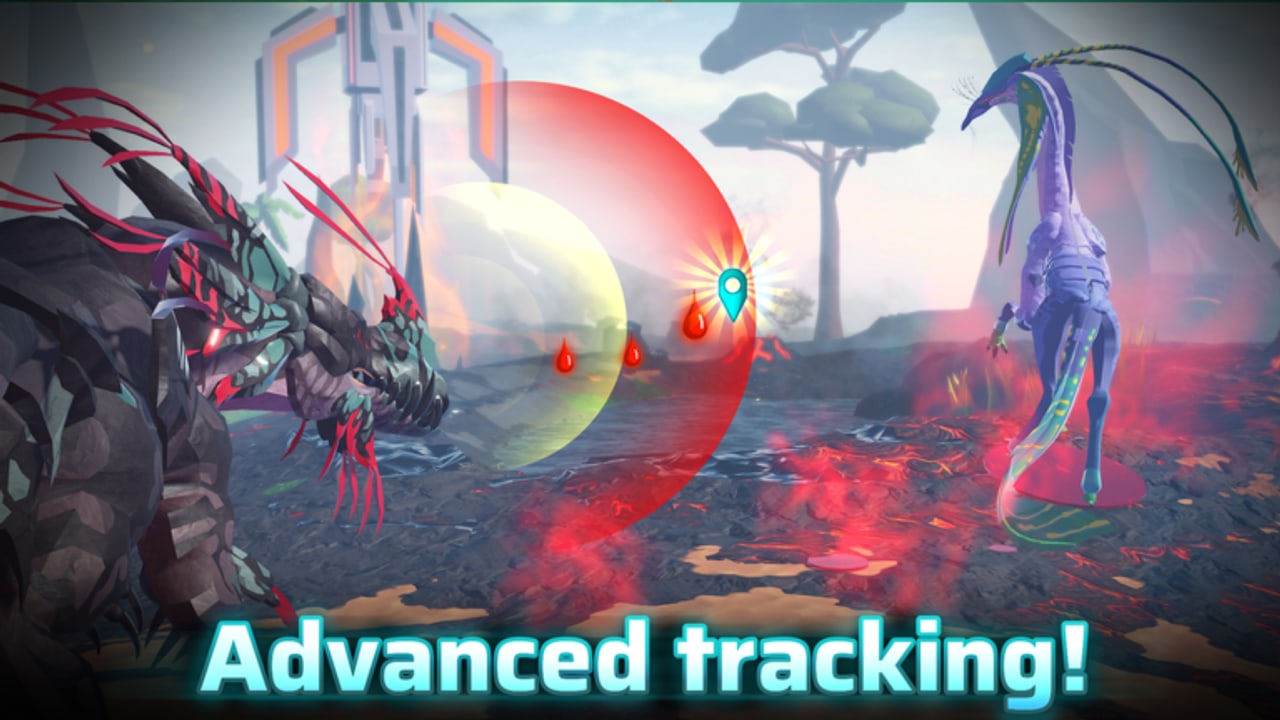
Jurassic Jaws is the fifth major lore event in Harp Isles, scheduled for 16 January 2027. Massive shockwaves reveal ancient fossils from Harp’s past. DNA still looks preserved in the remains. This page covers the fossil discovery system, the ancient creatures that may emerge, and how to navigate a map shaped by prehistoric resurrection.
What is happening
The event description involves fossil discovery mechanics that suggest prehistoric creatures returning to the archipelago. Whatever caused the shockwaves — tectonic activity, volcanic eruption, or an ancient awakening — the result is that fossils from Harp’s deep past are now accessible.
The mechanics will likely include:
- Fossil discovery locations across the map that require exploration to find
- DNA extraction mechanics from ancient remains — the quality of the fossil affects what you can extract
- Ancient creature summoning — whether temporary or permanent, fossils can be used to bring back prehistoric life
- Map zone modifications — fossil sites become new points of interest, potentially dangerous to approach
- New progression paths tied to the fossil system — collecting fossils may unlock unique mutation options
Community footage referenced fossil discovery mechanics leading up to this event. Players should expect new exploration mechanics that go beyond simply finding a node and harvesting it.
Fossil mechanics
If Jurassic Jaws introduces a fossil system, here is what the community expects based on similar creature game events:
Finding fossils
Fossils appear at specific locations triggered by the shockwave event. These locations may be temporary or permanent. Flying Avatars have an advantage in reaching cliffside and cave fossil sites that ground creatures cannot easily access. Fossil sites may require a minimum growth stage to harvest safely.
DNA extraction
The quality of the fossil determines what you can extract. Higher-quality fossils from deeper sites yield better results. Extraction may require crafting at stations, similar to research files — the process is not instant and leaves you vulnerable.
Ancient creature summoning
Extracted DNA may be used to summon temporary or permanent ancient creatures. The summoned creature may be a mount, a combat ally, or a separate Avatar form depending on how the system is implemented. Watch the UI after the patch for a Fossil tab or a new summoning menu.
Risk and reward
Fossil sites may be contested PvP zones. A rich fossil deposit in a popular biome attracts players who want to extract without fighting. If the system allows solo extraction, expect griefing. Pack coordination at fossil sites may be necessary.
Preparation tips
- Bank vials and files — do not spend mutation resources on rumors before the menu confirms the system
- Keep an adult — event participation may require readiness for contested zones
- Save DNA — new content often has new progression paths, and fossil extraction may cost DNA
- Master flight routes — if fossil sites include high-altitude or cliff locations, fliers have an advantage
- Establish pack routines — if fossil sites are contested, you want voice coordination
- Monitor patch notes — mechanics may be revealed in the days before 16 January
What NOT to do before the event
The worst feeling in creature games is spending resources on a rumored dinosaur only to have the actual event be completely different. Specifically:
- Do not buy an apex Vial expecting a T-Rex
- Do not pre-spend mutation vials on a “fossil Avatar” before the menu shows a name
- Do not trade away your best vials expecting to re-buy at the fossil shop
- Do not assume the fossils are cosmetic — wait for the tooltip before spending
Screenshot the patch notes and the new UI tab before spending anything. The community will have tested the system by 18 January and you will know what is worth buying by then.
Biome changes
Fossil sites may appear in any biome, but based on the shockwave description:
- Caves may contain the most preserved fossils — ancient remains in deep cave systems
- Cliff and mountain areas may have exposed fossil seams visible from the air
- Volcanic zones from Ashes Awakening may become more accessible as the environment cools after Nuclear Winter
- Coastal areas may have maritime fossils exposed by the shockwave activity
Fliers should survey high-altitude areas after the patch drops. Cliffside fossil sites reward Avatars with good vertical mobility.
After Jurassic Jaws
Check the avatar roster and mutations page 48 hours after the patch. If ancient creatures are permanent additions, they may shift the tier list. Monitor patch notes for any changes to growth, combat, or mutation systems that Jurassic Jaws introduces alongside the fossil mechanics.
Event timeline
- 10 September 2026 — Ashes Awakening
- 23 October 2026 — Ghouls Rising
- 20 November 2026 — Primal Roots
- 18 December 2026 — Nuclear Winter
- 16 January 2027 — Jurassic Jaws
- 20 February 2027 — Love and Regeneration
Frequently Asked Questions
Quick answers to the most common Harp Isles questions.
When is Jurassic Jaws?
16 January 2027.
What happens in Jurassic Jaws?
Massive shockwaves reveal ancient fossils with preserved DNA. Fossil discovery mechanics allow you to find, extract, and potentially summon ancient creatures.
Should I spend mutation vials before this event?
No. Wait for the actual mechanics to appear in the menu. Do not spend on rumors about dinosaur creatures.
What are the fossil mechanics?
Fossils appear at specific locations, can be extracted for DNA, and the DNA can be used to summon ancient creatures. Details arrive with the patch.
Are the ancient creatures permanent?
Unknown until the patch. Some summon systems are temporary events, others add creatures to the permanent roster. Watch the UI after 16 January.
Which Avatars have an advantage at fossil sites?
Fliers can reach cliffside and high-altitude fossil sites that ground creatures cannot easily access. Establish flight routes before the event.