Nuclear Winter — Harp Isles
Humans make a fatal error on December 18, 2026. Cold, reduced visibility, and a punishing map await.
Nuclear Winter is the fourth major lore event in Harp Isles, scheduled for 18 December 2026. Humans make a fatal error that triggers an archipelago-wide cold snap, reduced visibility, and a map that punishes anyone who did not plan ahead. This page covers the cold mechanics, the visibility system, and how to survive the harshest month since launch.
What is happening
The Nuclear Winter event represents a human-caused catastrophe layered on top of the natural archipelago environment. Whatever the error was — weapon test, atmospheric experiment, terraforming accident — the result is a widespread environmental disruption.
The mechanics include:
- Cold weather mechanics that affect movement, stamina, and hunger rates
- Reduced visibility that makes navigation and predator detection harder
- Map changes that punish poor food planning and reward players who explored caves and indoor areas
- Survival pressure on food routes as plant nodes and hunting grounds behave differently under nuclear winter conditions
- Potential ice or snow visuals on affected biomes
Cold effects
Cold in Harp Isles affects your Avatar in multiple ways:
- Movement speed reduction — cold slows your base movement, making escape harder
- Increased hunger and thirst rates — your Avatar burns calories faster to maintain body temperature
- Stamina drain — flying or sprinting in cold conditions drains stamina faster than normal
- Surface exposure penalty — standing in open areas during active nuclear winter weather accelerates the cold effect
- Water hazard — swimming in cold water becomes more dangerous; hypothermia mechanics may apply
The practical result: every trip outside is more costly. Every food node is more valuable. Every nest near a cave is more important than it was in October.
Visibility reduction
Reduced sight lines change how you play:
- Harder to spot predators — you may not see a flier approaching until they are close enough to attack
- Difficult to navigate familiar routes — snow, fog, or ash in the air obscures landmarks
- Increased reliance on audio cues — wing sounds, footsteps, and voice chat become more important
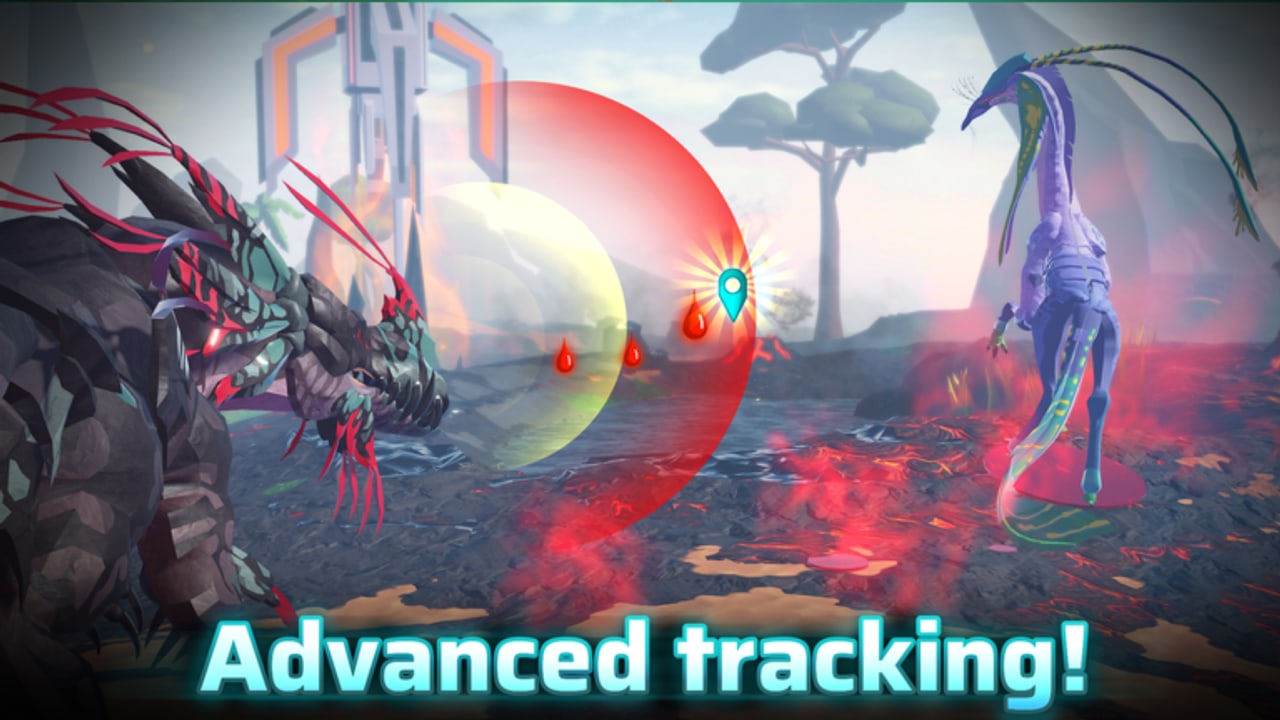
- Mini-map becomes critical — tracking dots in the UI may be easier to read than the obscured viewport
- Safe travel requires pre-memorized routes — improvisation in low visibility is how you walk into a pack ambush
The visibility reduction is not as severe as Ghouls Rising night-pressure, but it lasts all day rather than just at night. This makes Nuclear Winter a sustained survival challenge rather than a time-gated event.
Food route pressure
Nuclear Winter punishes players who did not learn cave and indoor food nodes:
- Plant nodes in exposed areas may close or reduce yield during active nuclear winter weather
- Herbivores should pre-learn cave food nodes — the difference between a cave with plants and a bare cave is your survival
- Carnivores should accept longer hunts — prey behavior may change in cold, and tracking is harder in low visibility
- Flight still works but landing on ice-adjacent biomes may be harder due to surface conditions
- Water fishing may become more attractive if aquatic food sources are less affected by the cold above
The key habit to develop before December: know three cave locations near your nest, know which ones have plant nodes, and know which ones are safe from adult predators when you are a juvenile.
Preparation checklist
- Memorize cave and indoor food nodes — you need at least two fallback locations in case one is occupied
- Have a warm nest location — cave placement matters more than at any point since launch. Solid caves retain warmth better than porous caves
- Stockpile food before the event — hunger plus cold is a death spiral you cannot escape without reserves
- Master flight escapes — ground travel becomes dangerous on ice and in reduced visibility; aerial routes are preferable
- Pack coordination is critical — watch each other’s backs and call out predators by audio rather than visual
- Set a winter spawn pin — if your current spawn pin is on exposed high ground, switch it before December
Biome-specific tips
Forest islands remain viable but become more dangerous at night and during active weather events. The forest canopy offers some protection from wind and precipitation but does not fully shelter you from the cold. Farm forest during the warmest parts of the day if possible.
Caves are the primary survival location during Nuclear Winter. A solid cave with plant nodes near your nest is the single most valuable asset you can have. Learn cave layouts before December so you are not navigating blind when the event starts.
High altitude and sky islands become genuinely dangerous. Wind chill on high peaks accelerates cold exposure. Use sky islands for transit, not for camping. If you are a flier, use altitude for speed and escape, not for loitering.
Water and coastal areas may develop surface ice or become hypothermic zones. Swimming is riskier during Nuclear Winter. If you must cross water, do it during daylight and surface immediately if you feel cold effects accelerating.
Volcanic or fire zones from Ashes Awakening may become refuges during Nuclear Winter — warmer ambient temperatures make these biomes more attractive. If you can survive the environmental hazards, volcanic areas may be worth camping.
Event timeline
- 10 September 2026 — Ashes Awakening
- 23 October 2026 — Ghouls Rising
- 20 November 2026 — Primal Roots
- 18 December 2026 — Nuclear Winter
- 16 January 2027 — Jurassic Jaws
- 20 February 2027 — Love and Regeneration
Frequently Asked Questions
Quick answers to the most common Harp Isles questions.
When is Nuclear Winter?
18 December 2026.
What happens in Nuclear Winter?
Cold mechanics, reduced visibility, and map changes that punish poor food routes. Hunger and thirst rates increase, movement slows, and navigation becomes harder.
How do I survive Nuclear Winter?
Memorize cave food nodes, stockpile food before the event, set a warm nest location near a cave, and master flight escapes. Cold plus hunger is a death spiral.
Does flight still work?
Yes, flight still works, but landing on ice-adjacent biomes may be harder. Use aerial routes for transit rather than lingering at altitude where wind chill accelerates cold.
Which biomes are safest?
Caves are the primary survival location. Solid caves with plant nodes near your nest are the safest. Volcanic zones from Ashes Awakening may also be warmer and more survivable.
Should I change my spawn pin before December?
Yes. If your current spawn pin is on exposed high ground, switch to a pin near a cave with food access before the event starts.